
Levain
A levain is a chef that has been refreshed with flour and water. In plainer terms, it is French for sourdough, but it is worth noting the French handle their sourdough to make milder breads than Americans enjoy.

A levain is a chef that has been refreshed with flour and water. In plainer terms, it is French for sourdough, but it is worth noting the French handle their sourdough to make milder breads than Americans enjoy.
Chef is another confusing term. In this case, it’s dough-like starter that is either an unrefreshed levain or a piece of dough saved from the previous day’s bake.
Starter is a term that we use somewhat loosely. It usually means a sourdough starter that we feed and use on an ongoing basis. However, in general use it can mean any preferment.
Hydration is a measure, expressed as a baker’s percentage of how wet a dough is. The hydration includes all the flours in the dough, including any in preferments, and all the liquids and fats in the dough, including any in the preferments. While hydration gives you an idea of what a dough will look like,
Buttermilk was, at one time, the liquid left after butter had been made from milk. Unless you know someone at a dairy, this is no longer available. Today’s buttermilk is a cultured milk product, where a bacteria similar to the bacteria used to make sourdough processes the milk, making it richer, giving it a deeper
According to WikiPedia, “Yeasts are eukaryotic single-celled microorganisms classified as members of the fungus kingdom.” Yeast is, today, the most commonly used way to raise bread. Sourdough starters have wild yeast in them. Reliable commercial bakers yeast became available in the mid to late 1800’s. Yeast is grown in large vats filled with a molasses
Preferment is a general term for something – usually fermenting – that is done before the final dough is mixed. The first preferment was sourdough. Later preferments include autolyse, bigas, old dough, sponges, and poolish. Baker folklore suggest that the preferments were developed after the introduiction of reliable bakers yeast in the mid to late
Biga is an Italian yeasted pre-ferment. Unlike a poolish, a biga is usually very firm, around 57% hydration. It uses more yeast than a Poolish, and adds a somewhat nutty taste to breads made with it.
Poolish is the French term for a pre-ferment made of flour and water and a little bakers yeast. A poolish is normally made at 100% hydration. The amount of yeast is normally very small. The actual amount of yeast is changed depending on the temperature where the poolish will be allowed to rise and how
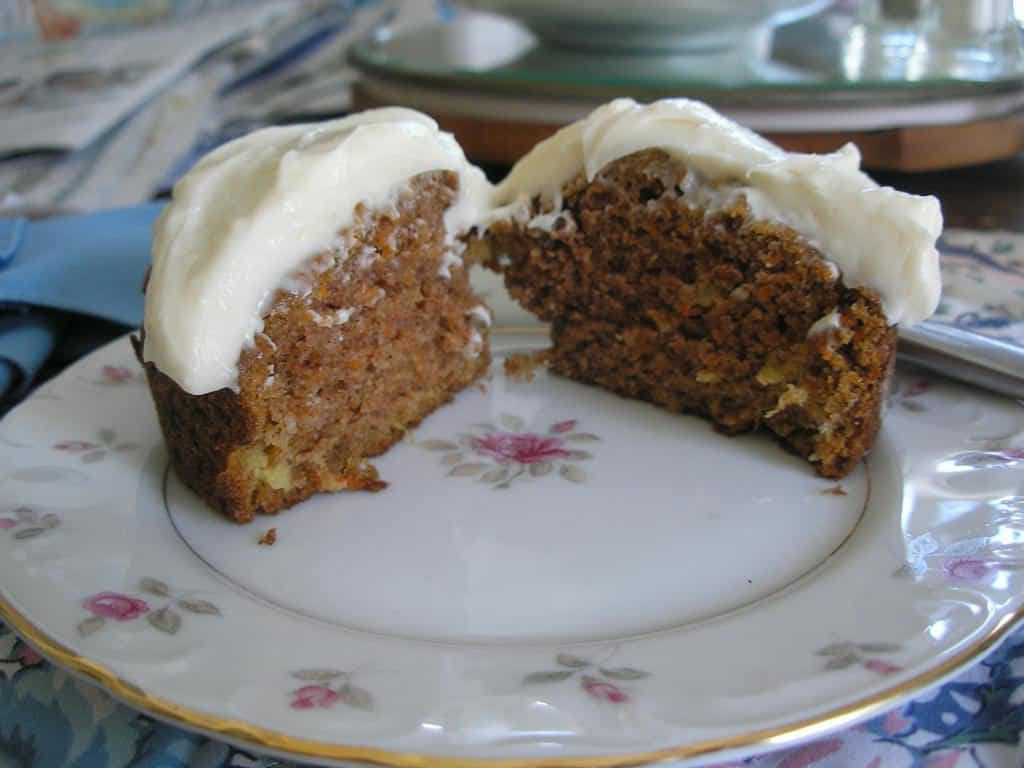
Carrot Pineapple Sourdough Cake A recurring question I receive is what to do with leftover or excess starter. And there are many good answers. Making pizza shells is certainly one of them. Making Blueberry Muffins is another. I have to confess, I’ve never been a fan of sourdough biscuits. I like baking powder biscuits, and to me sourdough biscuits are really rolls,
Carrot Pineapple Cake Read More »
Where yeast and sourdough raise bread through biological action, baking soda and baking powder raise breads through chemical action. Baking powder and baking soda produce gas quickly, so no long rise is required. This produces a denser, moister and less open crumb structure than breads risen with yeast or sourdough. Breads risen with these chemicals
Baking Soda and Baking Powder Read More »